Published: May 30, 2024 | Last Updated: May 28, 2026 | Author: Josh Justice, K&C Fence Company — Tennessee Licensed Contractor #63780 (active status verified on the Tennessee Board for Licensing Contractors portal).
TL;DR
In Tennessee, a property survey is not legally required before installing a fence, but it is strongly recommended whenever your boundary lines are unclear, older than 20 years, or your fence will sit near the property line. Skipping a survey in Nashville carries legal, financial, and neighbor-relations risks that a $400–$800 survey prevents.
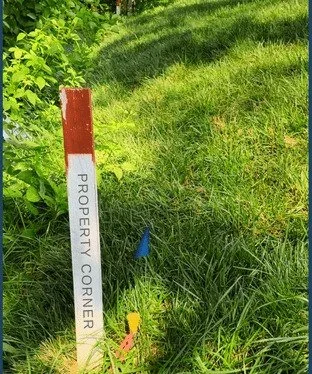
A fence property survey is a boundary survey performed by a licensed land surveyor to establish the exact legal property lines of a parcel before a fence is installed. The surveyor researches recorded deeds and plats, measures the lot on-site, and places physical stakes or pins at the property corners. This document becomes the legal record of where a fence may lawfully be built.
A property survey is not legally required before installing a fence in Nashville, Tennessee, but it is strongly recommended whenever your property lines are unclear, disputed, or very close to the planned fence location. Understanding when a survey is necessary — and when it can be skipped — can protect homeowners from boundary disputes, HOA violations, and costly fence removal.
Key Takeaways
Use these key takeaways to make sure you complete the most important steps whether you should get your property surveyed before putting up a fence
- Most homeowners in Davidson, Williamson, Rutherford, and Sumner County, Tennessee do not legally need a survey just to install a fence, but it is strongly recommended when property lines are unclear or disputed.
- A current property survey is especially important for older Nashville neighborhoods, new construction with only a builder’s plot plan, and fence projects that sit close to the property line.
- Ordering a survey before installing a fence helps prevent encroachment, protects you in boundary disputes, and keeps you compliant with local codes and HOA rules.
- Homeowners can find licensed land surveyors in Middle Tennessee through the Better Business Bureau and should schedule the survey before signing a fence installation contract.
When Do You Need a Property Survey Before Installing a Fence?
You should consider a property survey whenever your boundary lines are unclear, disputed, older than 20 years, or your planned fence will sit close to the property line. A survey is especially critical for commercial properties, corner lots, inherited land, or any site where a previous fence, driveway, or structure may have encroached.
Older Neighborhoods
If your home is more than 20 years old, a property survey is often a good idea before you install a fence. In older Nashville neighborhoods, property lines can become unclear over time due to changes in ownership, landscaping, and construction, which increases the risk that a new fence will encroach on a neighbor’s property and have to be moved.
New Construction
In newer neighborhoods, you may have a builder’s plot plan that outlines your property dimensions, but these plans are often created before the home is built and may not reflect driveways, retaining walls, or grading changes. Ordering a current property survey before installing a fence ensures the fence is placed on the true boundary lines and keeps you compliant with local codes and HOA setback requirements.
Small Projects
For smaller fence projects that appear to stay well within your known boundaries, you might assume a survey is not necessary. However, even a short stretch of fence or a single gate installed a few inches over the property line can trigger legal issues or require costly removal, so confirming the line with a survey still provides meaningful protection.
Why a Property Survey Is Beneficial Before a Fence Installation
For homeowners installing a fence in Davidson, Williamson, Rutherford, or Sumner County, Tennessee, a current land survey offers several concrete benefits:
Clear boundaries: A survey shows the exact property lines so your new fence is installed on your land and does not encroach on a neighbor’s lot.
Legal protection: If a boundary dispute arises later, your survey provides legally recognized evidence of where your fence should be located.
Future projects: Accurate property data helps you plan future additions such as decks, sheds, or pools without repeated surveys.
Good neighbor relations: When you share your survey results with an adjoining owner before installation, you establish a shared factual record of the property boundary. This eliminates the most common source of fence disputes — each neighbor having a different assumption about where the line sits — and provides documented evidence if a disagreement arises later.
A standard residential boundary survey in Middle Tennessee typically costs $400–$800, based on prevailing rates from licensed surveyors in Davidson, Williamson, Rutherford, and Sumner County as of 2024–2025. Larger parcels, heavily wooded lots, or deeds requiring historical research may exceed this range.
That one-time expense can prevent removal costs, legal fees, and neighbor disputes that commonly run thousands of dollars when a fence is built on the wrong side of the property line.
Frequently Asked Questions
The following questions address the most common concerns Nashville-area homeowners have about getting a property survey before fence installation, including legal requirements, costs, and timelines in Davidson, Williamson, Rutherford, and Sumner County, Tennessee.
-
You are not usually legally required to get a fence property survey in Nashville, but it is strongly recommended whenever your boundary lines are unclear, disputed, older than about 20 years, or your new fence will sit near the property line in Davidson, Williamson, Rutherford, or Sumner County. A current survey confirms the exact legal boundary, identifies any easements or encroachments, and documents where the fence may lawfully be built under local codes and HOA setback rules. This reduces the risk of civil disputes, stop‑work demands, or being forced to move a completed fence at your own expense.
-
A typical residential fence property survey in Middle Tennessee ranges from roughly 400 to 800 dollars, depending on lot size, terrain, tree cover, and how easy it is to locate existing survey markers. Smaller, platted subdivision lots usually fall at the lower end of that range, while large or irregular rural parcels can exceed it. Fees also vary if the surveyor must research older deeds, reconcile conflicting legal descriptions, or reestablish missing corners. Because pricing is not standardized by law, homeowners in Davidson, Williamson, Rutherford, and Sumner County should request a written estimate that clearly states the scope of work, deliverables (such as a signed survey plat), and expected completion timeline before scheduling.
-
Yes, you can legally build a fence in Tennessee without first ordering a property survey in many situations, but you do so entirely at your own risk if you are guessing where the property line actually sits. Local fence and zoning codes generally regulate height, materials, and setback from streets or easements, but they do not guarantee you have built on your own land. If your fence later turns out to encroach onto a neighbor’s property, you can be required to remove or relocate it at your own cost, even if you “thought” the line was correct. A survey is the clearest way to document that your fence follows the true deed boundary.
-
If you build a fence over the property line without a survey, you risk a boundary dispute, a formal demand letter, or a civil lawsuit from the adjoining owner seeking removal of the encroachment and possibly damages. The neighbor can use a recorded survey or plat to prove that the structure sits on their land or within a platted easement. In many cases, courts order the encroaching owner to remove the fence, restore the disturbed ground, and pay their own costs, even if the mistake was unintentional. You may also face problems selling your home later if a title company or buyer’s attorney discovers a fence encroachment during due diligence.
-
No, an existing fence does not automatically mark your exact property line; it only shows where a previous owner chose to build. Many older fences in Nashville and the surrounding counties were installed by eye, around trees, or to avoid rocks, and do not follow the legal boundary described in your deed or subdivision plat. Surveyors frequently find fences built entirely inside or outside the true line, sometimes several feet off. The only reliable way to know the exact boundary is a current land survey that reconciles recorded deeds, plats, and physical monuments, then places marked stakes or pins at the actual corners.
-
Buying a new home does not guarantee you already have a current, boundary‑grade survey suitable for fence placement, even if you received a basic plot plan at closing. Lenders often accept older surveys, mortgage inspections, or builder site plans that simply confirm approximate improvements, not precise lot lines for construction. Those documents may predate driveways, retaining walls, grading changes, or minor lot line adjustments. If you plan to build a fence near the edge of your property, a dedicated boundary survey prepared after construction is the safest way to verify the exact lot dimensions and avoid encroaching on adjoining parcels or violating HOA setback requirements.
-
Most standard residential fence property surveys in Davidson, Williamson, Rutherford, and Sumner County take about three to seven business days from fieldwork to a completed drawing once the surveyor begins your job. The timeline can lengthen during peak building seasons, for heavily wooded or steep lots, or where older deeds conflict and extra research is required. The process usually includes office research of plats and deeds, on‑site measurement and boundary staking, and preparation of a signed survey plat showing lot lines, structures, and any easements affecting where a fence can be built. Homeowners should ask at booking for an estimated start date and delivery date in writing.
-
To find a licensed land surveyor for a fence property survey near Nashville, focus on professionals who hold an active Tennessee surveyor license and regularly perform boundary surveys in Davidson, Williamson, Rutherford, or Sumner County. You can verify a surveyor’s license and disciplinary history through the Tennessee Board of Examiners for Land Surveyors or the Tennessee Board for Licensing Contractors, which maintain public online lookup tools for active credentials. When contacting a surveyor, ask specifically for a boundary survey suitable for fence installation, request a written estimate, confirm their current turnaround time, and provide your property address and subdivision name so they can locate your recorded plat and deed.
Conclusion
Getting a property survey before fence installation is one of the smartest steps a Nashville-area homeowner can take. It protects you from boundary disputes, keeps you compliant with local codes, and gives you confidence that your investment is built in the right place. Once your lines are confirmed, the next step is easy — reach out to K&C Fence for a free, no-pressure estimate and let us help you build the fence you've been planning.
For Davidson County Surveyors – Click Here
For Williamson County Area Surveyors: Click Here
For Rutherford County Area Surveyors: Click Here
For Sumner County Area Surveyors: Click Here

Author
Josh Justice
Commercial Fence Project Manager at K&C Fence Company in Nashville, Tennessee. Josh has over 10 years of experience managing residential and commercial fence installations across Middle Tennessee.
We proudly serve Nashville and the surrounding areas. Reach out to us today!