TL;DR
Nashville businesses typically choose commercial fencing based on security needs, appearance, maintenance demands, and local code requirements. Chain link, aluminum, steel, vinyl, and wood are the most common options, but the right choice depends on how the property is used, exposure to Tennessee weather, and long‑term operational risk—not just upfront cost.
Selecting the types of commercial fence installation in Nashville is aligned to the way the property is utilized, the amount of security needed, and how the materials best fit in Middle Tennessee’s climate. Currently, most Nashville commercial projects hugely rely on chain link, aluminum, steel, vinyl, and wood fencing—but the right choice varies widely between warehouses, retail sites, offices, and multi-tenant properties, especially once local codes and long-term maintenance are weighed in.
At a glance, Nashville businesses typically consider:
Security level (deterrence vs access control)
Appearance and visibility for customers or tenants
Durability in heat, humidity, and seasonal storms
Maintenance effort and long-term cost
Zoning, height limits, and permit requirements
A small example: a GC managing a warehouse project may prefer chain link for cost reasons but later understands and discovers that additional height, access gates, or code compliance requirements change the scope entirely. Meanwhile, aluminum fencing may be the choice of a property manager running a retail store in defining boundaries without compromising curb appeal—solving a very different problem with a different material.
This guide breaks down the most common commercial fence types used in Nashville, explains where each one works best, and highlights the decision factors that often get overlooked early in planning. If you want to avoid rework, delays, or mismatched solutions, the sections below will help you narrow options quickly and choose with confidence.
Key Takeaways
- Prioritize function and code compliance first.
- Choose fence materials by site use (warehouse/office/high‑security).
- Plan full costs (gates, grading, permits), not just materials.
- Understand Nashville permits early to avoid delays.
- Get a free commercial fence estimate: 📞 615‑562‑7651.
What Is A Commercial Fence?
Commercial fencing secures business, industrial, and institutional properties with durable, code‑compliant systems built for heavy use. Unlike residential, it prioritizes access control, asset protection, and liability reduction with taller, stronger, weather‑resistant materials that must meet local codes, zoning, and permit requirements.
| Feature | Residential Fence | Commercial Fence |
|---|---|---|
| Primary Purpose | Privacy, aesthetics, pet/child containment | Security, access control, asset protection |
| Typical Height | 4–6 feet | 6–10+ feet (often with anti-climb features) |
| Durability | Moderate (home use, light weather) | High (heavy traffic, equipment, harsh weather) |
| Materials | Wood, vinyl, ornamental iron/steel | Chain link, welded wire, steel tubing, concrete |
| Code Compliance | Basic local homeowner rules | Strict zoning, IBC/ADA standards, permits |
| Cost Per Foot | $15-50 | $25-100+ (scales with size/security needs) |
How Nashville Businesses Should Choose a Commercial Fence
Choosing the right commercial fence starts with function, not appearance. Nashville businesses should evaluate fencing based on security needs, site conditions, and compliance requirements before comparing materials or pricing. This approach helps reduce risk, prevent rework, and ensure the fence supports daily operations instead of creating future issues.
Primary fence purpose (security, access, boundaries)
Risk level and liability exposure
Local zoning, height limits, permits
Durability in Nashville’s climate
Ongoing maintenance requirements
Compatibility with gates and access systems
Not sure which material fits your security and budget needs? Talk with our estimators about professional commercial fence installation and get a tailored recommendation.
Most Common Commercial Fence Types Used in Nashville
Nashville businesses use several commercial fence types based on security needs, appearance, and maintenance expectations. Each option functions differently depending on property use, traffic levels, and long-term exposure to Tennessee weather.
Chain Link Fencing for Commercial Properties
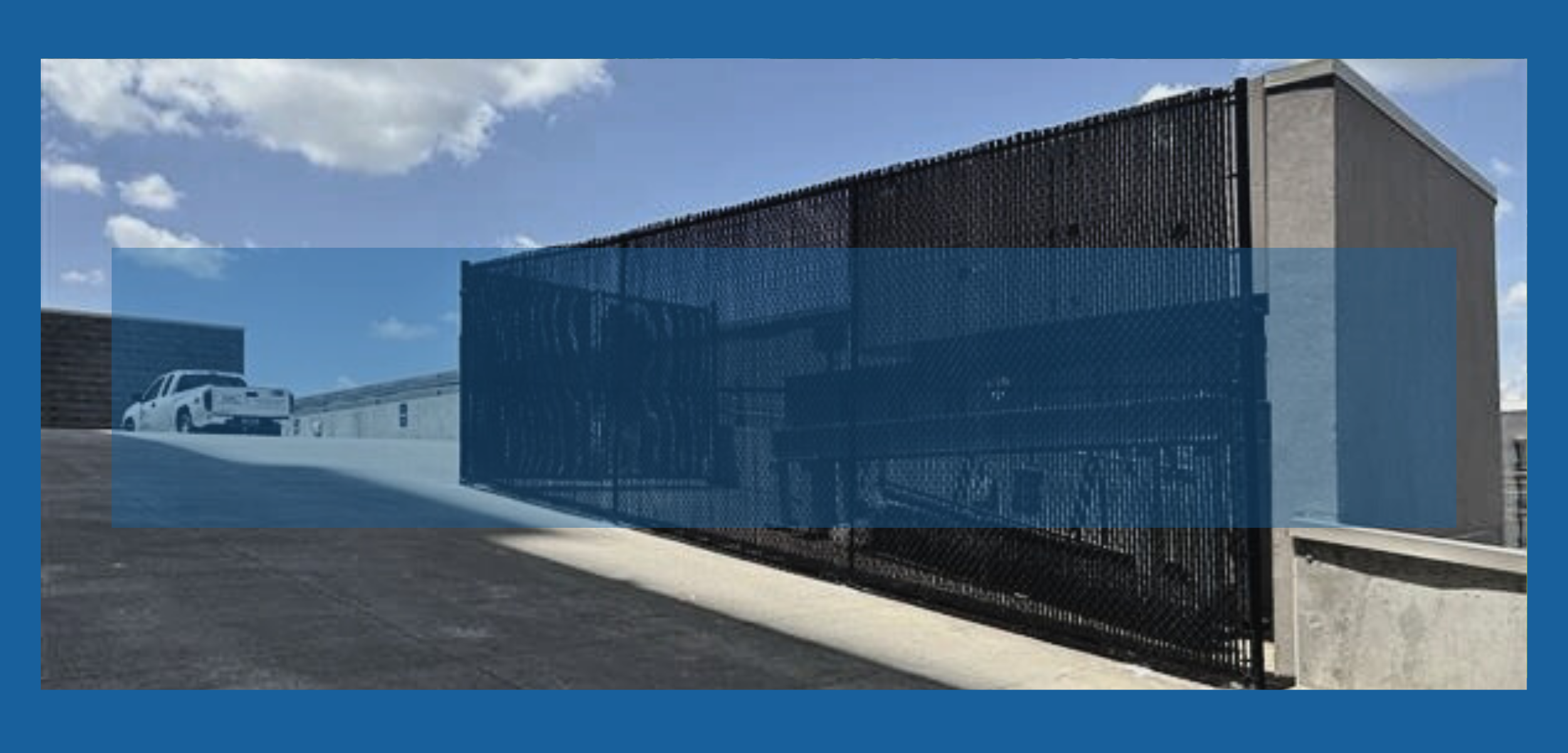
Commercial chain link fencing is common for warehouses, industrial sites, and utility areas. It provides clear visibility and strong perimeter control at a lower cost. Optional upgrades like privacy slats or barbed wire increase security without major cost increases.
Aluminum Commercial Fencing
Aluminum fencing is widely used for offices, retail centers, and schools. It offers a clean, professional appearance with very low-maintenance aluminum fence systems. Aluminum also resists corrosion, which makes it well-suited for Nashville’s humid climate.
Steel & Ornamental Iron Fencing
Steel security fencing and ornamental iron fencing is used when high security and visual deterrence are priorities. These fences are strong and long-lasting. Upfront costs are higher, making them common on controlled-access or high-value properties.
Vinyl Commercial Fencing
Vinyl fencing works best for privacy-focused commercial spaces. It requires minimal maintenance and maintains a uniform appearance. However, it is not ideal for high-impact or high-security environments.
Wood Fencing for Commercial Use
Wood fencing is mainly favored for aesthetics and privacy. It requires frequent maintenance in Tennessee’s climate. Due to shorter lifespan, it is less common for large commercial properties.
Best Commercial Fence Types by Business Type
Different properties require different fencing priorities. Matching the fence type to how the property functions helps improve security, compliance, and long-term performance.
| Property Type | Recommended Materials & Priorities |
|---|---|
| Warehouses & Industrial Facilities |
Chain link or steel fencing Prioritize height, visibility, access control |
| Retail & Office Properties |
Aluminum or ornamental steel Balance branding, visibility, boundary definition |
| Schools, Churches & Nonprofits |
Aluminum or vinyl fencing Focus on safety, visibility, controlled access |
| Multi‑Tenant & HOA‑Managed Properties |
Durable, uniform materials Predictable long‑term maintenance matters most |
Comparing Commercial Fence Options at a Glance
This comparison highlights how common commercial fence types differ in security, upkeep, and lifespan, making it easier to narrow options quickly.
| Fence Type | Best For | Security Level | Maintenance | Typical Lifespan |
|---|---|---|---|---|
| Chain Link | Industrial, warehouses | Medium–High | Low | 15–25 years |
| Aluminum | Offices, retail | Medium | Very Low | 20+ years |
| Steel / Iron | High-security sites | High | Low–Medium | 25+ years |
| Vinyl | Privacy-focused sites | Low–Medium | Very Low | 20+ years |
| Wood | Aesthetic privacy | Low | High | 10–15 years |
Nashville-Specific Rules, Permits & Compliance
Local fence code requirements in Nashville play a vital role in commercial fencing projects. In Nashville, permits, zoning rules, and code standards can directly affect fence height, placement, and materials. Addressing these requirements early helps avoid delays, rework, or failed inspections.
When Commercial Fence Permits Are Required
Permits are commonly required based on fence height, location, and zoning district. Commercial permits often involve more review than residential projects, especially for properties near public spaces or roadways.
Height, Setback & Zoning Considerations
Urban Nashville properties typically face stricter setback and visibility rules than suburban sites. Right-of-way boundaries are a frequent issue and can limit where fencing may be installed.
Commercial vs Residential Code Differences
Commercial fencing must meet higher safety, durability, and liability standards. These standards account for public access, heavier use, and increased risk exposure compared to residential fencing.
Cost Factors That Affect Commercial Fencing in Nashville
Commercial fencing costs depend on project complexity, site conditions, and compliance needs, not just materials. Understanding these variables early helps Nashville businesses plan accurately and avoid unexpected changes later.
Material type and fence height
Site conditions, grading, access
Permit and compliance requirements
Because these factors vary by property and use case, planning matters more than price comparisons alone. Evaluating scope upfront leads to better decisions and fewer delays during installation.
When to Work With a Professional Commercial Fence Contractor
Not every fence project is simple. In many commercial situations, working with experienced commercial fence contractors helps reduce risk, delays, and compliance issues before they impact the project timeline.
High-security or regulated properties
Permit-sensitive installations
Multi-phase or large-scale projects
When timelines or compliance requirements matter, partner with a pro who can handle permits, specs, and scheduling. We can install a commercial fence for your business on time and to spec—request a quote today.
❓Frequently Asked Questions
Pricing will still depend on materials, footage, access, and the site conditions on your property. On average cost like commercial chain link fence, costs per linear foot is about $22.59 - $24.48 for a commercial fence height. Its better to contact us for an accurate fence estimate.
Yes, permits are typically required. We can only help with permit applications that you would need to submit and coordinate with local inspectors to ensure compliance is followed.
Commercial fence heights generally range from 6 to 10 feet, with optional add-ons such as barbed wire or outriggers for enhanced security based on site-specific needs.
As long as local zoning code permits it, yes, it can or does do a rezoning process. Just follow the approval process, go through the necessary steps before residential occupancy.
We partner with Precision Gate and Control for automatic gate assistance.
Protect Your People, Property, and Profits.
Schedule a free site visit and proposal from our local team. Compare materials, timelines, and budgets with our commercial expert guidance.

Kweeny Diama
Contributing Writer | Commercial Sales

Heizel Lago
Lead Writer | SEO Specialist